If you are weighing a waterfront home against an inland home in Guilford, you are really deciding how you want to live day to day. The right choice is not always the one closest to the water. It depends on your budget, your privacy preferences, your comfort with maintenance, and how much shoreline access you truly plan to use. This guide will help you compare the tradeoffs clearly so you can move forward with more confidence. Let’s dive in.
Guilford Home Options Compared
Guilford offers a wide mix of properties, from direct waterfront homes on Long Island Sound to inland homes with a more traditional residential setting. The town’s shoreline lifestyle includes places like Jacobs Beach, Shell Beach, Guilford Marina, Chaffinch Island, Chittenden Park, Mill Pond, and Lake Quonnipaug, as highlighted by Visit Guilford’s beaches and parks guide.
That variety matters because “waterfront” in Guilford is not one simple category. Some homes have direct frontage, some offer shared beach or dock access, and some are simply near the shore. Inland homes, meanwhile, may trade direct water access for different recreation options, less shoreline exposure, and a more conventional ownership experience.
Guilford Market Snapshot
Current pricing shows that waterfront is a distinct segment of the local market, but it is not a single price point. According to Redfin’s Guilford market snapshot, the town-wide median sale price is about $623,000, with homes averaging 55 days on market.
That same source shows Guilford’s waterfront segment with 14 homes for sale at a median listing price of $695,000 and a median market time of 51 days. It also points to direct-front homes listed around $1 million to $1.5 million, which shows how widely pricing can vary depending on frontage, access, condition, and location.
Waterfront Living in Guilford
For many buyers, waterfront living is about lifestyle first. You may be looking for direct beach access, space for kayaking, proximity to boating, or an easier connection to the marina and shoreline amenities. In Guilford, that appeal is very real and it shapes how many buyers search.
Some shoreline properties are designed for full-time living, while others are better suited for seasonal use. Current and recent listings in Guilford show a mix that includes 3-season cottages, seasonal homes, and year-round residences, such as this Shell Beach seasonal cottage example.
That distinction is important before you make an offer. A home that feels charming for summer weekends may not fit your needs if you want year-round comfort, storage, storm resilience, and lower maintenance demands.
Waterfront Lifestyle Benefits
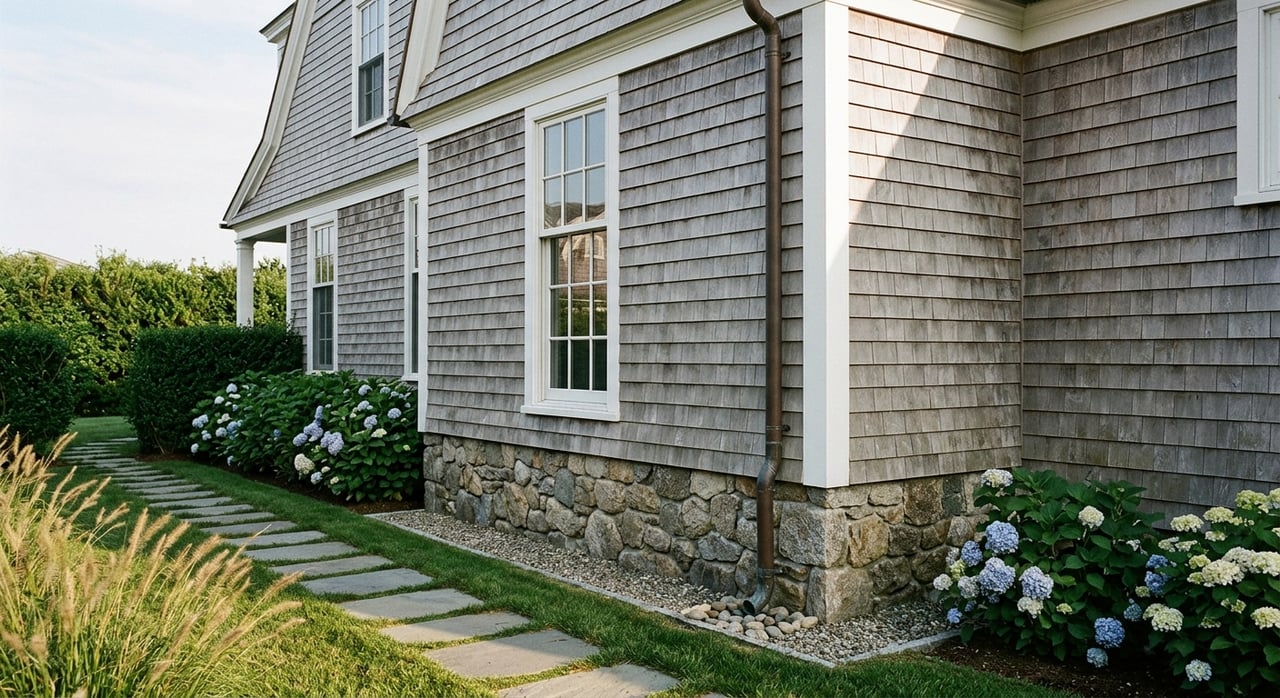
A waterfront or near-shore home can offer:
- Direct or nearby access to Long Island Sound
- Easy opportunities for kayaking, boating, and shellfishing
- A strong seasonal or second-home feel
- Walkability to places like the marina, town beach, or downtown in some locations
- Water views that shape the feel of everyday life
For buyers focused on experience and setting, those benefits can outweigh the extra costs and due diligence.
Waterfront Privacy Can Vary
One common assumption is that all shoreline homes feel private. In reality, privacy depends on the exact parcel, nearby public access, and whether the home is part of a beach or dock association.
Some Guilford shoreline locations feel tucked away and quiet. Others are close to public shoreline access points, where seasonal activity and foot traffic may be more noticeable. A near-shore property like the Seaview Terrace example may offer a middle ground, with shoreline convenience and flexible use for either a second home or year-round living.
Inland Living in Guilford
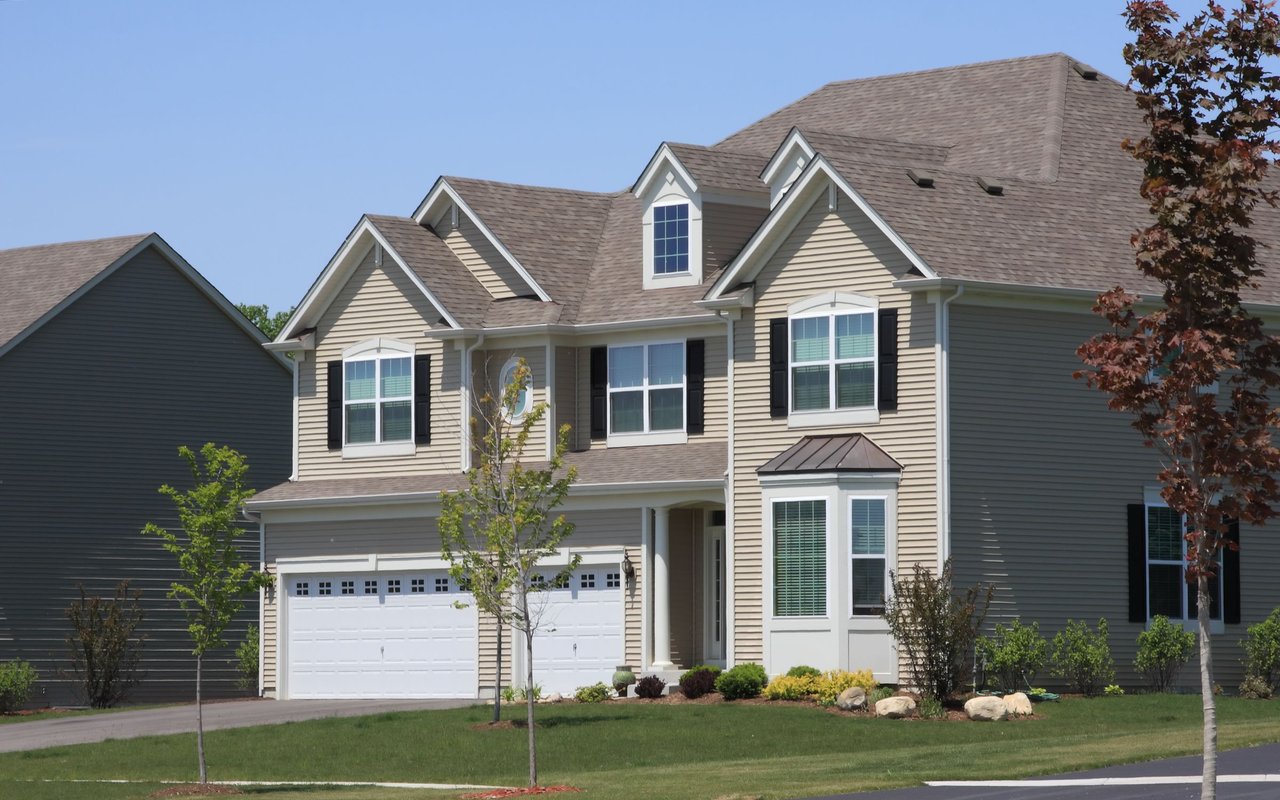
Inland homes in Guilford offer a different kind of value. You may not have direct water access, but you can still enjoy town amenities, parks, and outdoor recreation without taking on the same shoreline-related responsibilities.
Guilford’s inland recreation options include Lake Quonnipaug, Bittner Park, Nut Plains Park, and trail-oriented spaces, according to Visit Guilford’s local attractions overview. The same source notes seasonal beach passes for both Jacobs Beach and Lake Quonnipaug, which can be useful if you want water access without owning directly on the shore.
Why Some Buyers Prefer Inland Homes
Inland living may be a better fit if you want:
- A more conventional residential setting
- Less exposure to seasonal shoreline activity
- Fewer coastal maintenance concerns
- More flexibility on budget
- Access to parks, trails, and lake recreation instead of direct frontage
For many buyers, inland Guilford offers a balance of convenience, recreation, and simpler ownership.
Flood Risk and Coastal Reality
One of the biggest differences between waterfront and inland homes is risk exposure. Connecticut’s shoreline is dynamic, and the state makes clear that erosion and flooding are part of coastal ownership.
According to CT DEEP’s guidance on living on the shore, shoreline conditions change over time, and property boundaries are not always as fixed as inland buyers may expect. The same guidance notes that seawalls, bulkheads, jetties, and groins are strictly regulated, can be expensive, and may not fully solve flood-related issues.
That means you should look beyond the view and ask practical questions about the lot, the structure, and the long-term realities of protecting the property.
Flood Insurance Matters
Flood insurance is another key factor. The Connecticut Insurance Department states that standard homeowners and renters insurance do not cover flood damage.
State guidance also explains that all Connecticut municipalities participate in the National Flood Insurance Program, FEMA maps identify Special Flood Hazard Areas, and flood insurance may be required for a government-backed mortgage if the home is in a high-risk flood zone. There can also be a 30-day waiting period before a flood policy takes effect, so this is not something to leave until the last minute.
Water Access Rights Are Not Unlimited
If you are considering direct waterfront, you also need to understand what ownership does and does not include. Access to the water can be valuable, but it is shaped by state rules, site conditions, and any association or permitting requirements.
CT DEEP explains that coastal owners may have littoral rights, which generally support reasonable access to navigable water, but dock size and placement are regulated. The state also notes that the public may use lands and waters waterward of the mean high-water line. You can review that framework in CT DEEP’s littoral rights guidance.
For buyers in Guilford, this is why the deed, survey, dock rights, mooring details, easements, and association documents deserve careful review before you commit.
Questions to Ask Before You Offer
No matter which type of home you prefer, strong due diligence is essential. Waterfront homes usually require a deeper review, but inland homes should also be evaluated with care.
Ask the Inspector
Focus on condition issues that can be more common in coastal settings, including:
- Water intrusion
- Storm damage history
- Drainage concerns
- Crawlspace moisture
- Corrosion or rot on exterior materials
- Condition of any dock, stairs, bulkhead, seawall, or shoreline features
CT DEEP’s shoreline guidance notes that salt spray and moisture can accelerate corrosion, which makes these questions especially important for coastal homes.
Ask the Insurance Professional
Get clarity on:
- Whether the property is in a flood zone
- Whether it is in a Special Flood Hazard Area
- Whether flood insurance is required
- What the deductible is
- What the waiting period is
- What the policy excludes
Even if a home is outside a mapped high-risk area, flood coverage may still be available and worth discussing.
Ask the Attorney
Have your attorney review:
- The deed
- The survey
- Easements
- Association documents
- Beach or dock access rights
- Any coastal permit concerns tied to future improvements
That review matters because coastal boundaries, public trust rules, and permitting requirements can affect how you use or improve the property.
Which Guilford Home Type Fits You?
If you are drawn to the shoreline for everyday enjoyment, direct access, and the feel of living close to the Sound, a waterfront or near-shore home may be the right match. If your priority is simpler upkeep, fewer coastal variables, and a more traditional ownership experience, an inland home may better support your goals.
In Guilford, the smarter comparison is often not just waterfront versus inland. It is direct frontage versus shared access versus no shoreline dependence. That distinction can affect price, insurance, maintenance, privacy, and how much due diligence you will need before closing.
If you want help comparing specific Guilford properties, understanding shoreline tradeoffs, or building a search around the way you actually want to live, Claire Kilmer offers thoughtful, hands-on guidance across the Connecticut Shoreline.
FAQs
What is the price difference between Guilford waterfront and inland homes?
- Based on Redfin’s Guilford market snapshot, the town-wide median sale price is about $623,000, while the waterfront segment shows a median listing price of about $695,000, with some direct waterfront homes listed much higher.
Are all Guilford waterfront homes year-round residences?
- No. Guilford listings show a mix of year-round homes, seasonal homes, and 3-season cottages, so you should confirm how a specific property is designed and used.
Do Guilford waterfront homes always offer more privacy?
- No. Privacy varies by parcel, nearby public access, and association setup. Some shoreline homes feel secluded, while others are near public access points with more seasonal activity.
Do you need flood insurance for a Guilford waterfront home?
- Possibly. The Connecticut Insurance Department states that homeowners insurance does not cover flood damage, and flood insurance may be required if the property is in a high-risk flood zone and financed with a government-backed mortgage.
What should buyers review before purchasing a Guilford waterfront property?
- Buyers should carefully review the property’s condition, flood-zone status, insurance requirements, deed, survey, easements, association documents, and any beach, dock, or mooring rights.
Can inland Guilford homeowners still enjoy water access?
- Yes. Guilford offers public recreation and seasonal beach pass options at places like Jacobs Beach and Lake Quonnipaug, according to Visit Guilford.