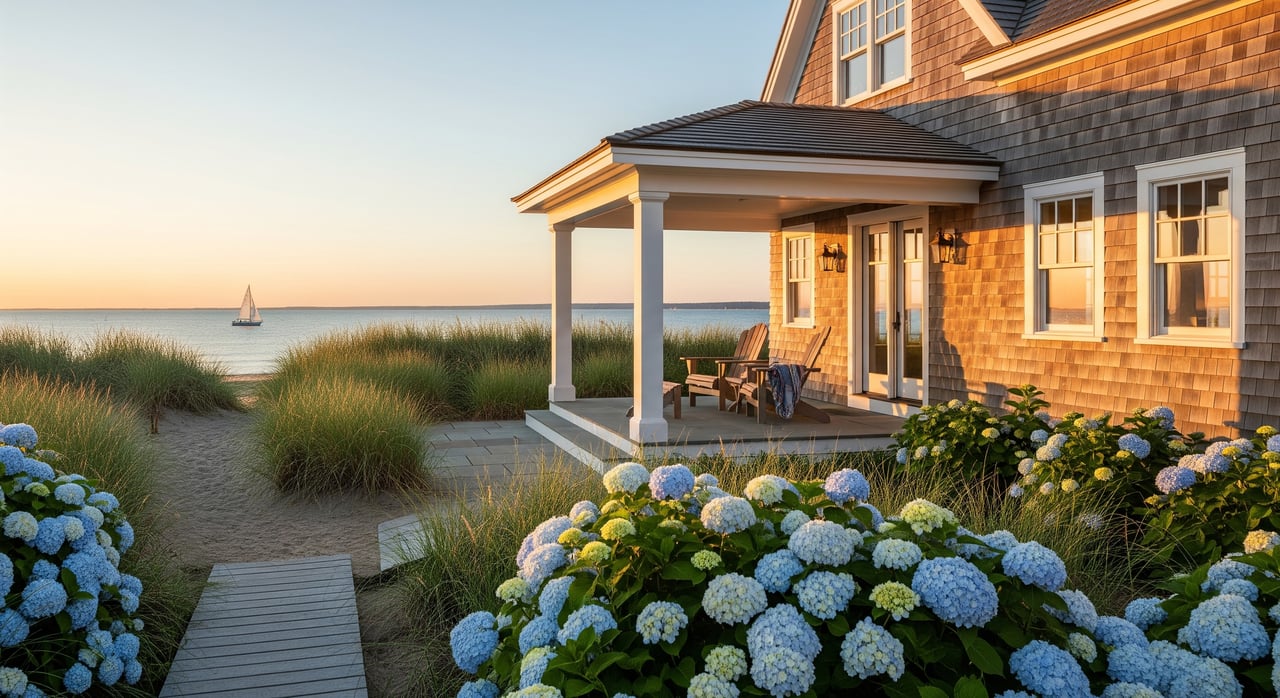
Thinking about trading a faster pace for a coastal rhythm where you can walk to coffee, catch a sunset at the beach, and still reach regional job centers with ease? Madison offers that blend of small-town routine and shoreline access that many buyers look for. You get a compact downtown, a true summer season, and neighborhoods that range from inland cul-de-sacs to beachfront streets. In this guide, you’ll learn what everyday life feels like, how you’ll get around, what outdoor options you’ll enjoy, and what to know if you’re buying a home near the water. Let’s dive in.
Everyday life on the Shoreline
Life in Madison centers on the downtown and US‑1 corridor, the beaches, and a network of residential neighborhoods. Weekday mornings often start with a coffee run, a walk or jog along the coast, then commuting toward New Haven or other regional hubs. Midday errands cluster around downtown shops and grocery and drugstores on major roads.
Evenings and weekends shift outdoors. In warmer months, residents fill beach parking lots early, launch boats, and gather for casual meals near the water. In spring and fall, you’ll see more hiking and birding on quieter trails and beaches. Winter brings bundled-up walks on coastal paths and a bigger focus on road conditions for daily commutes.
Practical note: Outside the downtown core, most errands are car dependent. Seasonal patterns matter, too. Summer crowds and beach parking rules can shape your schedule, while winter snow and ice management becomes part of daily planning.
Downtown Madison at a glance
Madison’s center is compact and walkable, with small shops, cafes, and restaurants along Boston Post Road and nearby side streets. The town green hosts events, and civic buildings make it easy to combine errands. For municipal services, permits, and local updates, start with the Town of Madison’s official website.
You’ll find essentials in town or close by, from grocery and pharmacy options to banks, vets, and hardware. Larger hospitals and specialty services are in regional centers such as New Haven. If you rely on specific providers, plan to check current directories to confirm locations and availability.
Outdoor life and the seasons
Hammonasset Beach State Park is Madison’s marquee outdoor asset. It is Connecticut’s largest shoreline state park, with roughly two miles of sandy beach, picnic areas, trails, and the Meigs Point nature area. It anchors summer routines and offers year-round walking and birding. For current details on facilities, seasonal notices, and park information, see the Hammonasset Beach State Park page from Connecticut DEEP.
Alongside Hammonasset, the town manages beaches and waterfront access that shape day-to-day life when the weather warms. Parking and permit rules change by season. Always check official town and state sources for the latest fees, hours, and capacity guidance before you go.
- Summer: Beach days, boating, coastal runs, outdoor dining, and heavier traffic near access points.
- Spring and fall: Quieter beaches, hiking and birding at coastal preserves, and more community events.
- Winter: Coastal walks in cooler air, indoor activities, and extra attention to municipal snow and road services.
If you are new to coastal living, remember that high tides and storms can affect beachfront access and properties. Flood preparedness and shoreline resiliency resources are part of smart homeownership along the Sound.
Getting around and commuting
Interstate 95 runs along the shoreline and connects Madison with New Haven to the west and communities to the east. US‑1 is the main commercial corridor through town. Summer beach traffic can slow travel near access points, and winter weather can affect timing, so build in a buffer on busy days.
Public transit provides an alternative to driving. Madison is served by the Shore Line East commuter rail, which connects shoreline towns to New Haven, where you can transfer to broader rail networks. Check current schedules and weekend service levels on the Shore Line East website. For highway advisories and construction updates, use the Connecticut Department of Transportation.
Typical commute patterns vary by season and time of day. Many residents head toward New Haven or combine rail and driving for hybrid commutes to larger metro areas. If commute timing is critical for you, try a test run at your usual departure time and consult real-time tools.
Housing types and neighborhood feel
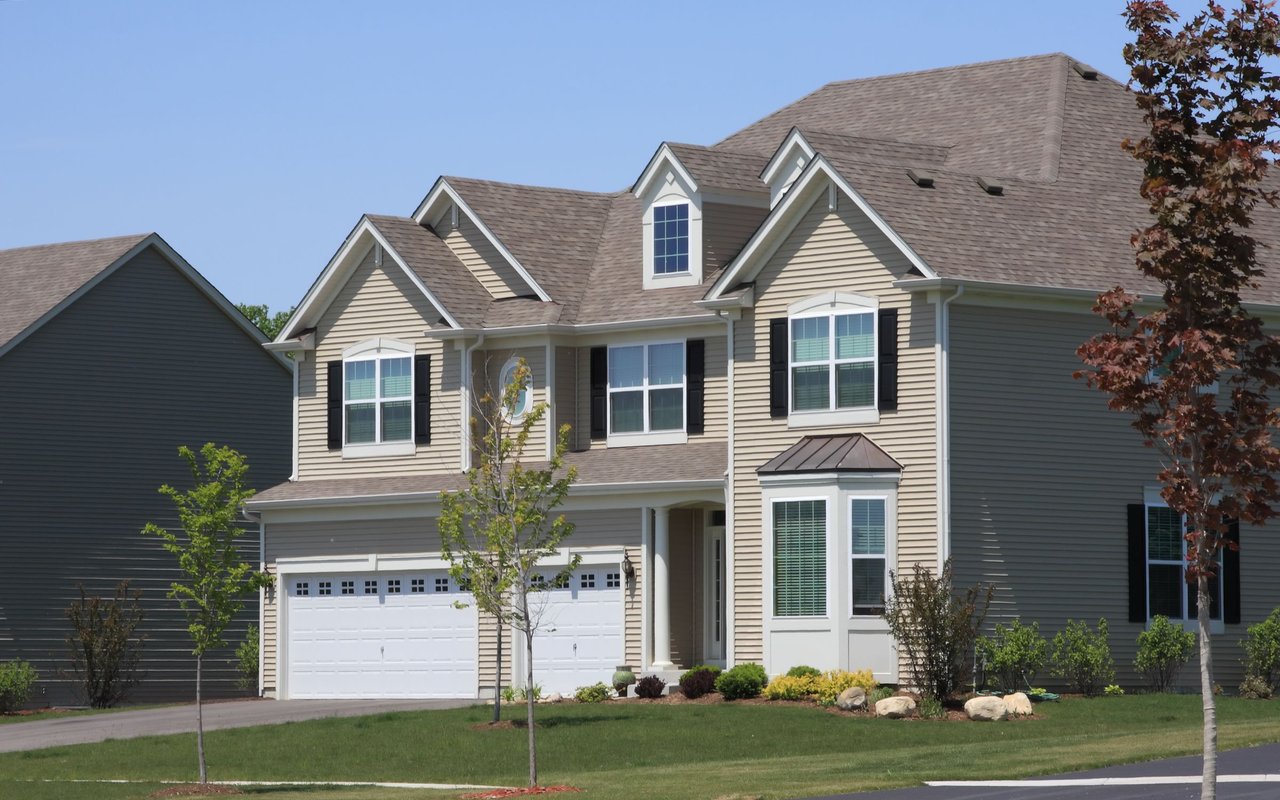
Madison’s housing stock reflects classic New England styles. You’ll find Colonial, Cape Cod, saltbox, and shingle-style homes, mid-century ranches, and newer construction. Waterfront cottages and private beachfront properties sit closer to the Sound, and several condominium communities round out the mix. Lot sizes are often larger than in city neighborhoods, with denser pockets near the village center and more wooded, suburban areas inland.
As in many coastal towns, homes near the water typically command a premium. Inventory can be tight at lower price points, and some properties are used seasonally or as second homes. If you are comparing inland and coastal options, weigh both lifestyle and practical factors such as storm exposure and maintenance requirements.
Buyer checklist near the coast
Before you make an offer, take a thorough, practical look at the property:
- Flood zone and elevation. Use the FEMA Flood Map Service Center to see flood designations and discuss insurance needs with a local agent.
- Shoreline permitting. Renovations or shoreline work can require permits. Consult pertinent town planning, inland wetlands, and coastal management offices via the Town of Madison.
- Utilities and systems. Confirm sewer versus septic, well water, and any special assessments or HOA rules, especially in waterfront condos or beach associations.
- Insurance and taxes. Coastal properties may need flood insurance and can have different policy requirements. For current tax figures, visit the town assessor’s pages.
- Boating logistics. Slip availability is seasonal and limited in many marinas. Check town and private facilities early if boating is part of your plan.
Services, shopping, and healthcare
Everyday needs are easy to handle in town, with a mix of local businesses and regional chains along major roads. You will also find public facilities such as town hall, the library, parks and recreation, and seasonal beach operations. For updates on hours, permits, or program listings, the Town of Madison is your central resource.
Primary care, urgent care, and outpatient specialists are available locally or nearby. For larger hospital systems and specialized care, plan on traveling to New Haven or another regional center. If proximity to specific providers is important, confirm locations and network participation as part of your move.
Seasonal rhythms and local information
Madison has a distinct summer season, with more visitors, busy beaches, and active restaurant patios. Spring and fall bring community events, farmers’ markets, and quieter walks on the sand. To keep up with local happenings, municipal meetings, and seasonal notices, check the Shoreline Times and the New Haven Register, along with town announcements.
Who thrives in Madison
You might be a great fit for Madison if you:
- Want beach access as part of your weekly routine.
- Prefer a compact, walkable downtown but are comfortable using a car for most errands.
- Commute to New Haven or mix train and car travel for regional work.
- Value a quieter pace that shifts into a lively summer season.
- Are weighing inland space against a coastal location and want to balance lifestyle with practical planning.
Tips for a smooth move
- Time your search with the seasons. Spring and early summer often bring more listings and higher beach activity. Fall and winter can offer a calmer pace to tour neighborhoods.
- Test your commute. Try the Shore Line East train and your driving route to see which feels best day to day.
- Map your daily life. Identify your likely grocery, pharmacy, and coffee stops, then choose neighborhoods that match your routine.
- Plan for permits early. If you expect to rely on beach parking or boat launches, review town rules before peak season.
- Do coastal due diligence. Review flood maps, insurance options, and any shoreline permitting questions during inspection.
Ready to explore Madison?
If Madison’s coastal routine fits your lifestyle, you deserve guidance that blends local insight with concierge-level care. From neighborhood orientation and curated tours to presentation-ready listing support and vetted vendor referrals, Claire Kilmer offers boutique service backed by Coldwell Banker reach. Get your free home valuation or schedule a discovery call to start your move with clarity and confidence.
FAQs
Is Madison, CT walkable for daily errands?
- Walkability is strongest in the downtown core near Boston Post Road and the train station, while most errands outside the center are car dependent. Review neighborhoods in person to gauge your routine.
How busy do Madison beaches get and how do permits work?
- Beaches see seasonal crowds, and parking fees and permits change by season. Check current rules on the Town of Madison and review state park information for Hammonasset through Connecticut DEEP.
What are my commuting options from Madison to New Haven?
- You can drive via I‑95 or use Shore Line East to connect to New Haven’s rail hub. Confirm current schedules on Shore Line East and consult roadway advisories from CTDOT.
What should I know about flood risk for Madison homes?
- Some coastal properties are in FEMA flood zones and may require flood insurance. Start with the FEMA Flood Map Service Center and discuss coverage with a local insurance professional.
What types of homes are common in Madison, CT?
- Expect single-family homes in Colonial, Cape Cod, saltbox, and shingle styles, plus mid-century ranches, newer builds, waterfront cottages, and select condos. Lot sizes vary between village pockets and more wooded inland areas.