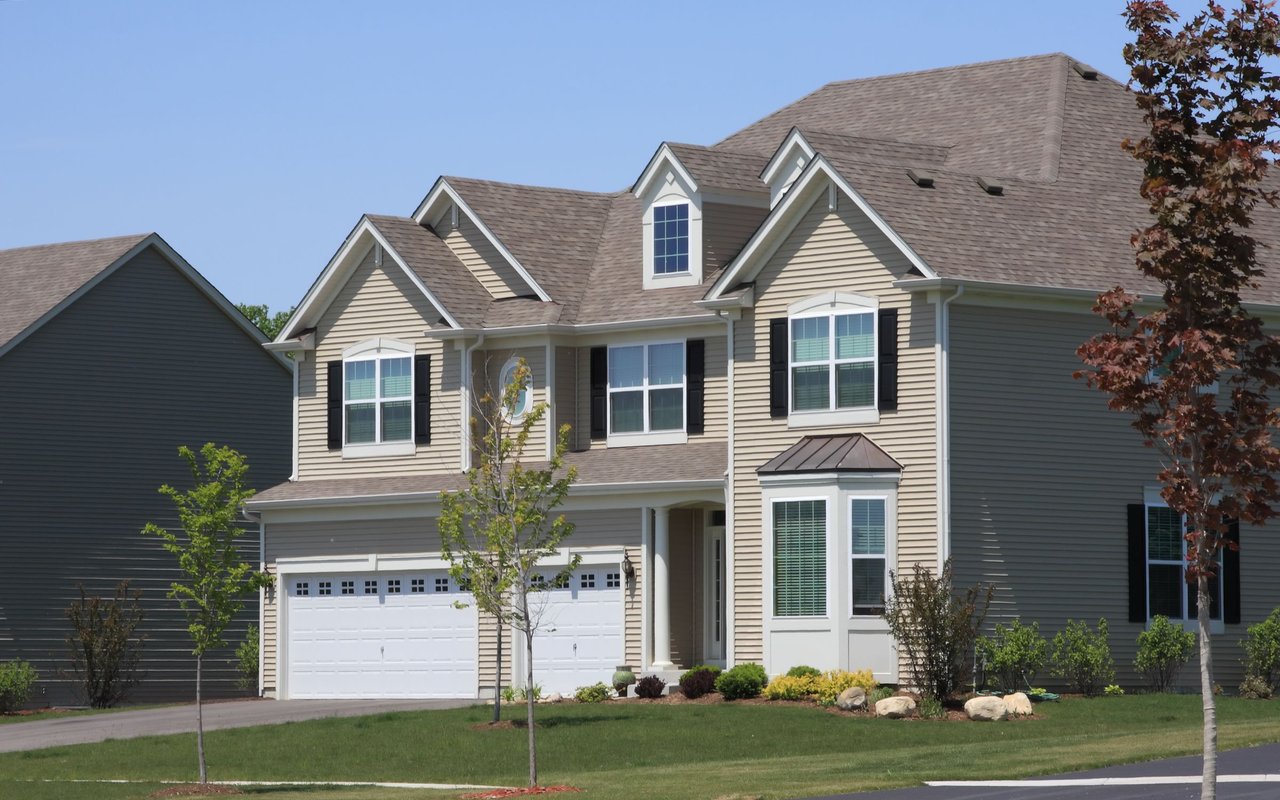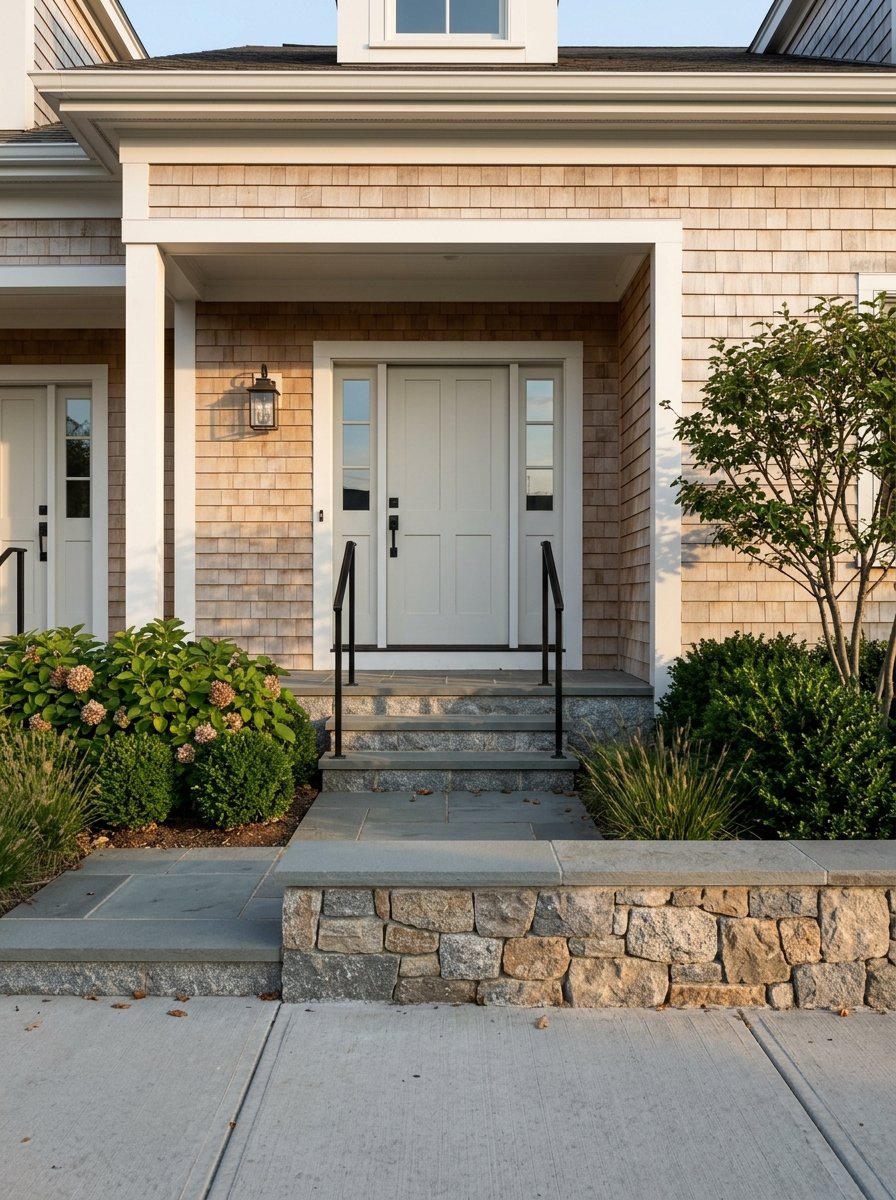
Wondering if a Branford condo or townhome could make life simpler without giving up the shoreline lifestyle you love? If you are thinking about selling a larger home, cutting down on maintenance, or creating a more flexible lock-and-leave setup, Branford offers a compelling mix of coastal access, commuter convenience, and established attached-home communities. The key is knowing how condo ownership works here, what costs to plan for, and which local questions matter most before you buy. Let’s dive in.
Why Branford appeals to right-sizers
Branford gives you a rare combination of shoreline character and everyday practicality. The town covers about 28 square miles, has 28,031 residents, and offers more than 20 miles of shoreline along Long Island Sound. Town materials also place Branford about 90 miles east of Manhattan and 40 miles south of Hartford.
That location matters if you want a home that supports both lifestyle and mobility. Branford connects easily to regional travel through Shore Line East, with access to New Haven and onward connections to Metro-North and Amtrak. For many buyers, that makes a condo or townhome feel like a smart fit for part-time travel, second-home use, or a simpler primary residence.
Branford also has a strong waterfront culture that shapes daily life. According to the Harbor Master, the Branford Harbor and river system includes about 20 miles of shoreline, 13 yacht clubs and marinas, 1,800 boat slips, and 65 moorings. If you want easier living while staying close to boating and the water, that local setting is part of the appeal.
From a housing perspective, Branford can also make sense if you are looking to unlock equity. The town’s owner-occupied housing rate is 61.11%, the median home value is $388,300, and the median household income is $97,223. For some homeowners, moving from a detached house into an attached home can be a way to reduce upkeep while keeping ownership in a desirable shoreline town.
What condo ownership means in Connecticut
Before you right-size, it helps to understand that condo ownership is not the same as owning a single-family home. In Connecticut, condo ownership is governed by a declaration, bylaws, and association rules. The Connecticut Department of Consumer Protection states that owners are legally bound by the bylaws, pay the association for common-area upkeep, and remain responsible for their own unit.
That means your monthly costs may cover work you used to handle yourself, such as exterior maintenance or shared amenities. At the same time, you are agreeing to a set of community rules and governance standards. If your goal is lower maintenance, that tradeoff can be worthwhile, but it should be reviewed carefully before you commit.
In Branford, many communities are document-driven and actively managed. For example, one local association site includes meeting minutes, governing documents, amendments, a public offering statement, CC&Rs, bylaws, and an estoppel request form. That gives you a good sense of the level of paperwork and review that can come with condo living.
Branford also includes older attached-home communities, which can appeal to buyers who want established neighborhoods and shared amenities. Plymouth Colony, for example, says it was built in 1973, includes 71 units, and offers a pool and clubhouse with monthly board meetings. Communities like this can offer convenience, but they also make it especially important to review budgets, reserves, and upcoming capital needs.
Why Branford due diligence matters
Branford has local conditions that make due diligence especially important. The town’s planning and zoning framework includes coastal area management, inland wetlands and watercourse oversight, subdivision review, and floodplain management. If you are buying near the shoreline or in an environmentally sensitive area, future improvements may require an added layer of municipal review.
That does not mean you should avoid these properties. It means you should go in with a clear understanding of how the property is regulated, what the association handles, and what approvals might be needed if you want to make changes later. For a right-sizing move, clarity is often just as important as price.
Costs to budget before you buy
One of the biggest mistakes buyers make is focusing only on the purchase price. When you right-size into a Branford condo or townhome, you also need to budget for common charges, taxes, insurance, and any possible future assessments. A lower-maintenance home can simplify your life, but it still comes with a full carrying-cost picture.
Property taxes in Branford
Branford’s current mill rate is 22.16. The town’s tax collector notes that real estate tax bills are issued July 1 and paid in two installments, and the assessor explains that taxes are determined by assessment multiplied by the mill rate.
That is especially important now because Branford completed a 2024 revaluation, and Connecticut requires a revaluation every five years. If you are comparing options, it is wise to budget from the current assessment and tax framework rather than relying only on the list price. That gives you a more realistic view of your monthly and annual ownership costs.
HOA fees and reserves
Monthly dues are part of condo and townhome ownership, but the number alone does not tell the full story. You will want to understand what the fee covers, how strong the reserve fund is, and whether the association has a history of special assessments or large deferred projects.
The resale disclosure package in Connecticut should include:
- Monthly common charges
- Unpaid charges
- Any resale restrictions
- Reserve balances
- The current budget
- Pending capital spending over $1,000
- Delinquency counts
- Foreclosure counts
- Insurance coverage
- Rental or occupancy restrictions
These details matter because a community with healthy reserves may feel more predictable over time. A lower monthly fee can look attractive at first, but it may not be a bargain if major repairs are coming.
Insurance and flood exposure
Connecticut law requires condo associations to maintain core insurance coverages, including property insurance on common elements and commercial general liability insurance. Flood insurance must also be maintained when the condominium is in a flood hazard area and the unit owners direct it. The law also states that a unit owner may still obtain insurance for personal benefit.
For larger communities, the association must provide a schedule of standard fixtures, improvements, and betterments covered by the association’s insurance, and that schedule must be included in the resale certificate. This is especially useful in older or coastal communities, where you need to know exactly what the master policy covers and where your own coverage may begin.
In Branford, flood review deserves special attention. The town’s engineering department says any alteration or improvement within the 100-year floodplain requires a permit, and FEMA maps are the regulatory reference. If you are considering a shoreline or near-shore condo, flood-zone status should be part of your early review, not an afterthought.
Sewer service and maintenance simplicity
If your goal is easier ownership, utility infrastructure matters too. Branford says it serves almost 85% of residences with sewer service, including apartments and condominiums, and that all shoreline areas have sewers except Stony Creek. In practical terms, sewer service can be one more factor that supports a simpler maintenance profile for many attached-home buyers.
Questions to ask before buying a Branford condo
The right questions can save you time, money, and stress. Connecticut’s Department of Consumer Protection advises condo buyers to confirm whether a community is age-restricted, pet-friendly or pet-restricted, and to review reserves, delinquencies, budget line items, dues, fines, foreclosures, and owner rights to occupy the unit.
For Branford specifically, it also helps to ask a few location-focused questions.
Ask about flood zone status
Because Branford has active floodplain oversight and extensive shoreline areas, flood zone status is a key local question. You should understand whether the building or unit is in or near a regulated flood hazard area and how that could affect insurance, future improvements, and peace of mind.
Ask about reserves and projects
Older communities can be appealing, but they may also face bigger capital needs over time. Ask whether the association has a strong reserve fund, whether special assessments are planned, and whether major projects such as roofs, siding, paving, drainage, or shared amenity upgrades are coming.
Ask about parking and storage
When you move from a larger home into a condo or townhome, storage can become a bigger issue than expected. You will want to know how parking is assigned, whether guest parking is limited, and what storage options come with the unit.
Ask about shoreline-related amenities
In Branford, some communities may offer access or proximity to beach, marina, or other shoreline features. If that is part of your lifestyle goal, ask exactly what comes with the property and whether access is deeded, shared, regulated by the association, or simply nearby.
How to evaluate the right tradeoffs
For many right-sizing buyers, the decision comes down to three tradeoffs: less exterior responsibility, more HOA governance, and possible coastal or flood-related considerations. In Branford, that balance matters because the town combines shoreline appeal, established condo inventory, and active local oversight.
A condo or townhome may be a strong fit if you want to spend less time on yardwork and exterior upkeep. It may also work well if you travel often or want a home base with easier day-to-day management. The best choice is the one that matches both your lifestyle and your comfort level with fees, rules, and shared decision-making.
Why timing and planning matter
If you are selling a larger home and buying a condo or townhome, timing matters on both sides of the move. In Connecticut, the association must provide resale documents within ten business days of request, and the seller must furnish them before conveyance or transfer of possession. That means document collection should start early.
Good planning also helps you compare homes more clearly. Instead of asking only whether a unit looks attractive, ask whether the full ownership picture supports the next chapter you want. The more carefully you evaluate taxes, fees, insurance, reserves, and local conditions, the more confident your move will feel.
If you are considering a move in Branford, working with someone who understands Connecticut Shoreline nuances can make the process much smoother. From evaluating community documents to thinking through coastal considerations and resale value, the details matter. When you are ready for tailored guidance, connect with Claire Kilmer for thoughtful, hands-on support.
FAQs
What does right-sizing into a Branford condo usually mean?
- It usually means moving from a larger home into a lower-maintenance attached property while balancing HOA fees, community rules, taxes, and local coastal factors.
What condo documents should Branford buyers review before closing?
- Buyers should review the declaration, bylaws, association rules, budget, reserve information, insurance details, common charges, restrictions, and any pending capital spending or delinquency information included in the resale package.
What taxes should buyers expect for a Branford condo or townhome?
- Branford property taxes are based on the property assessment multiplied by the town’s 22.16 mill rate, with tax bills issued July 1 and paid in two installments.
Why is flood-zone research important for Branford attached homes?
- Flood-zone research matters because Branford has shoreline and floodplain oversight, and any alteration or improvement within the 100-year floodplain requires a permit according to the town’s engineering department.
Are Branford condos and townhomes typically served by sewer?
- Many are, because Branford says it serves almost 85% of residences with sewer service, including apartments and condominiums, and all shoreline areas have sewers except Stony Creek.
How long does it take to get Connecticut condo resale documents?
- In Connecticut, the association must provide resale documents within ten business days of request, so buyers and sellers should plan ahead early in the transaction.