Thinking about selling in Madison and not sure where to focus your staging budget? You’re not alone. Buyers here shop for a Shoreline lifestyle as much as a house, so presentation matters from the first click to the final showing. In this guide, you’ll learn exactly what to do first, which rooms pay off most, and how photos, video, and floor plans lift your results without overspending. Let’s dive in.
What Madison buyers value
Madison’s coastal setting attracts a mix of families, professionals who commute to Greater New Haven, and seasonal or second-home buyers. Many weigh lifestyle features like beach or harbor access, a walkable town center, and practical storage for outdoor gear. You can also expect interest in updated kitchens and primary suites, flexible workspace, and tidy mudrooms. In short, stage for comfort, function, and Shoreline living.
Seasonality plays a role. Spring and summer listings should spotlight outdoor living, decks and porches, and fresh landscaping. Fall and winter listings benefit from warm lighting, cozy interiors, and clear indoor sight lines that make the home feel bright and welcoming.
Start with curb appeal
First impressions drive clicks and showings. Keep the exterior clean and safe, with trimmed landscaping and power-washed walkways. Add simple front porch seating if space allows and make sure house numbers and the mailbox look neat. Check exterior lighting so twilight photos feel inviting.
At the entry, clear bags, shoes, and clutter so buyers can see into the home. A tidy mudroom with obvious storage for coats and gear sets the tone for the rest of the tour.
Declutter and depersonalize
Remove personal photos and specialized decor to help buyers imagine themselves living in the space. Edit furniture to open pathways and show scale. Tidy closets, the pantry, and the garage so storage capacity reads as a strength, not a problem to solve. Aim for calm, simple, and functional.
Clean and fix what’s visible
A deep clean lifts perceived value right away. Focus on kitchens, bathrooms, and windows. Handle small repairs like leaky faucets, loose tiles, burned bulbs, and sticking doors. Minor defects pull attention from the home’s best features and can undermine trust.
Light and color that flatter
Maximize natural light by opening blinds and curtains. Use consistent warm bulbs throughout for a welcoming glow. A neutral paint palette in main living areas appeals to more buyers and photographs well. Keep scents light and neutral so the home simply smells clean.
Stage rooms that sell
Buyers decide in a few key spaces. Prioritize these in order:
Kitchen
Clear counters, leaving only a small vignette such as a bowl of fruit or a vase. Ensure appliances and sinks shine. Create a tidy view from the entry into the kitchen to highlight function and flow.
Primary bedroom
Use neutral bedding, two pillows stacks, and at least one lamp for warm light. Keep surfaces clear and pathways open on both sides of the bed. The goal is restful, spacious, and easy to navigate.
Living room
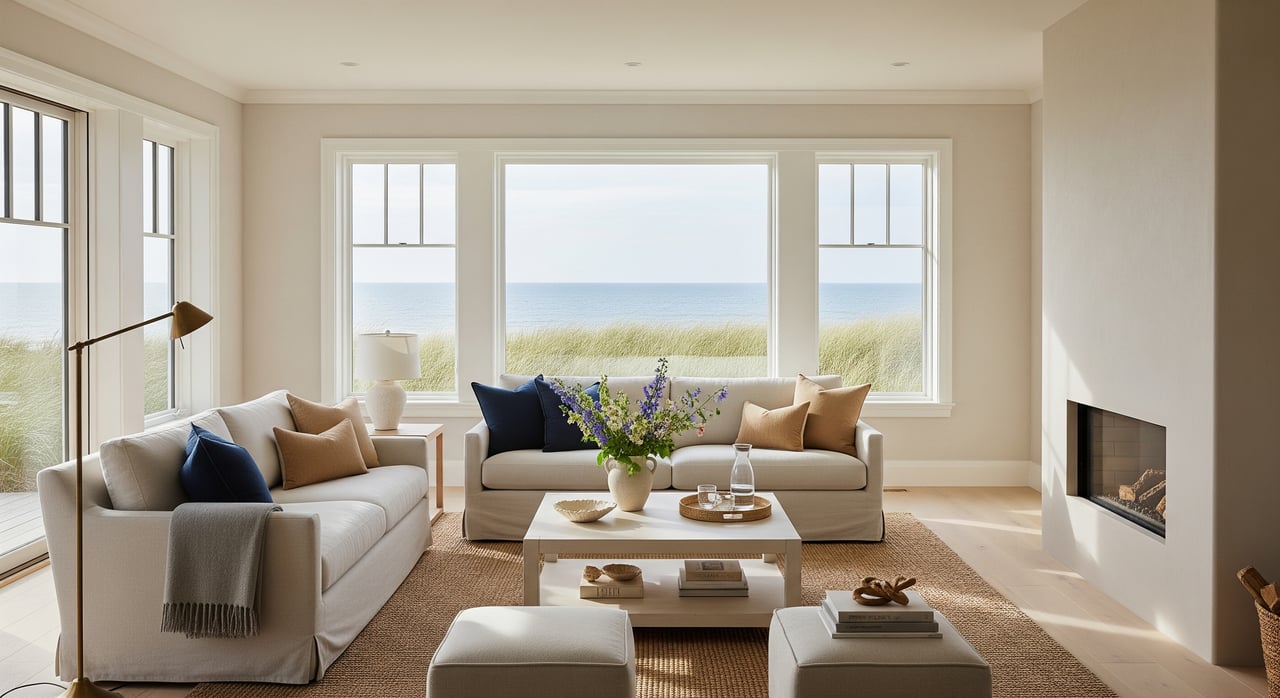
Arrange seating for conversation and clear egress. Highlight the focal point, such as a fireplace, built-ins, or a view. Remove excess furniture so the room reads large and inviting in photos and in person.
Main bathrooms
Swap in fresh towels, a simple soap dispenser, and neutral bath mats. Clear counters and refresh grout and caulk where needed. Clean glass and mirrors for bright, crisp images.
Entry and foyer
Signal your home’s circulation path with a slim console or a bench and a single piece of art. Keep the floor clear to make the arrival experience feel easy.
Outdoor spaces
In warmer months, set modest seating on the porch, deck, or patio to show how the space lives. Keep furniture scaled to the area so the yard feels open. In colder months, maintain tidy landscaping and consider a simple firewood stack by the fireplace to suggest cozy indoor living.
Flex spaces that attract
Home office
A compact, organized desk setup appeals to remote and hybrid workers. Use a chair, a task lamp, and light cable management so the area feels functional without clutter.
Kids’ rooms
Keep decor simple with a bed, lamp, and clear storage. Avoid heavy themes so buyers can picture the room serving different needs over time.
Garage and basement
Declutter, sweep, and organize. Show storage systems and utility areas to convey care and capacity. A tidy utility space supports buyer confidence in overall maintenance.
Visual marketing that multiplies results
Most buyers start online, so strong visuals decide who tours and how quickly you get interest. Professional assets help buyers understand layout, quality, and lifestyle.
Photography
Hire a photographer experienced with New England homes and light. Lead with bright, accurate images of the kitchen and main living area. Use wide, realistic lenses to avoid distortion and add a few detail shots to showcase craftsmanship. Schedule for natural light, and consider twilight exteriors for coastal mood.
Video and virtual tours
Short videos of 30 to 90 seconds help buyers feel the flow, especially when they include exterior touches like the town green or nearby beach access. A guided walkthrough or 3D virtual tour can be valuable for out-of-town and second-home buyers who rely on remote viewing.
Drone and aerials
For coastal properties and larger lots, aerials clarify setting and orientation. Work with a compliant operator and follow FAA requirements for commercial use. Always check any local rules and association guidelines before flying.
Floor plans and measurements
Provide a clear 2D floor plan with room dimensions. For higher-end or complex layouts, a 3D plan can help buyers visualize scale and furniture placement. Accurate plans reduce unnecessary showings and set realistic expectations.
Accuracy and disclosure
Show the home as it is. Avoid edits that hide room size or layout quirks. If you use virtual staging, disclose it according to local MLS and portal rules to protect trust and stay compliant.
Budget and ROI choices
Make decisions based on your likely buyer and price range. In segments with competing listings, even modest investments in photos and staging key rooms can change buyer perception. In slower conditions, stronger staging and full visual packages are often necessary to stand out.
Consider these options:
- Partial staging: Focus on the kitchen, primary bedroom, living room, entry, and a key outdoor area. This is often the best cost-to-impact balance.
- Full staging: Best for vacant homes or when layout clarity is an issue.
- Virtual staging: Useful when budgets are tight or for awkwardly shaped rooms. Pair virtually staged images with accurate, unaltered photos and disclose usage.
When comparing costs, ask vendors about staging scope, furniture rental duration, and deliverables for photo, video, drone, and floor plans. Align your spend with expected time on market and competition.
Timeline and logistics that work
Plan the sequence to avoid backtracking and delays. A simple order keeps everyone on track:
- Declutter and minor repairs
- Deep clean
- Staging
- Photography, video, and floor plans
- Listing goes live
Coordinate access and protection for older finishes, especially in Madison’s heritage homes with original millwork. Confirm insurance coverage for any staged items. Cosmetic updates rarely need permits, but structural changes or system installations may. If you plan to showcase renovations, keep documentation handy.
Quick seller checklists
Before the photographer arrives
- Declutter counters and visible surfaces
- Store personal photos and excess decor
- Make beds and arrange pillows and throws
- Empty trash; set out clean towels
- Open blinds, turn on lights, match bulb color
- Move cars from the driveway
- Stow pet dishes, toys, and litter boxes
Room-by-room essentials
- Kitchen: Minimal counters, fresh towels, simple vignette
- Living room: Clear focal point, open pathways
- Dining: Modest place settings or a single centerpiece
- Primary bedroom: Neutral bedding, clutter-free
- Bathrooms: Clean glass, fresh towels, clear counters
- Outdoor: Tidy furniture, remove dead plantings
Photographer and videographer brief
- Balanced set of interior and exterior photos
- Twilight exterior and drone if appropriate
- 3 to 5 highlight images sized for MLS and social
- Virtual tour link and a downloadable floor plan
- Rights to use images across your marketing
Tell the right Madison story
Lean into Shoreline living without overstaging. Use just enough furniture and decor to clarify scale and function, not to showcase a strong personal style. Preserve character in older homes by highlighting trim, fireplaces, and built-ins rather than covering them. A calm, authentic presentation helps buyers see how your home fits their life here.
Ready to stage with confidence and launch with standout visuals? Partner with a local pro who brings boutique care, trusted vendors, and national-level exposure. For a personalized plan and coordinated staging, photography, video, and floor plans, reach out to Claire Kilmer.
FAQs
What rooms should I stage first in a Madison CT home?
- Start with the kitchen, primary bedroom, living room, entry, and a key outdoor space, since buyers often decide based on these areas.
How should I stage outdoor spaces near the coast?
- Keep furniture simple and scaled to the area, maintain landscaping, and use clean, durable pieces that suggest easy Shoreline living in warmer months.
Do I need to stage a home office for remote workers?
- Yes, a compact, organized workspace signals flexibility and utility for buyers who value remote or hybrid work options.
Is virtual staging allowed for Madison listings?
- You can use virtual staging, but you should disclose it according to MLS and portal rules and include accurate, unaltered photos as well.
What’s the best timeline to prep before listing?
- Follow this order: declutter and minor repairs, deep clean, staging, then photography, video, and floor plans before going live.
Are drone photos a good idea for coastal properties?
- They can be helpful to show setting and lot orientation, but always use a compliant operator and check any local or association rules first.